Rural Revitalization and Sustainable Development Path
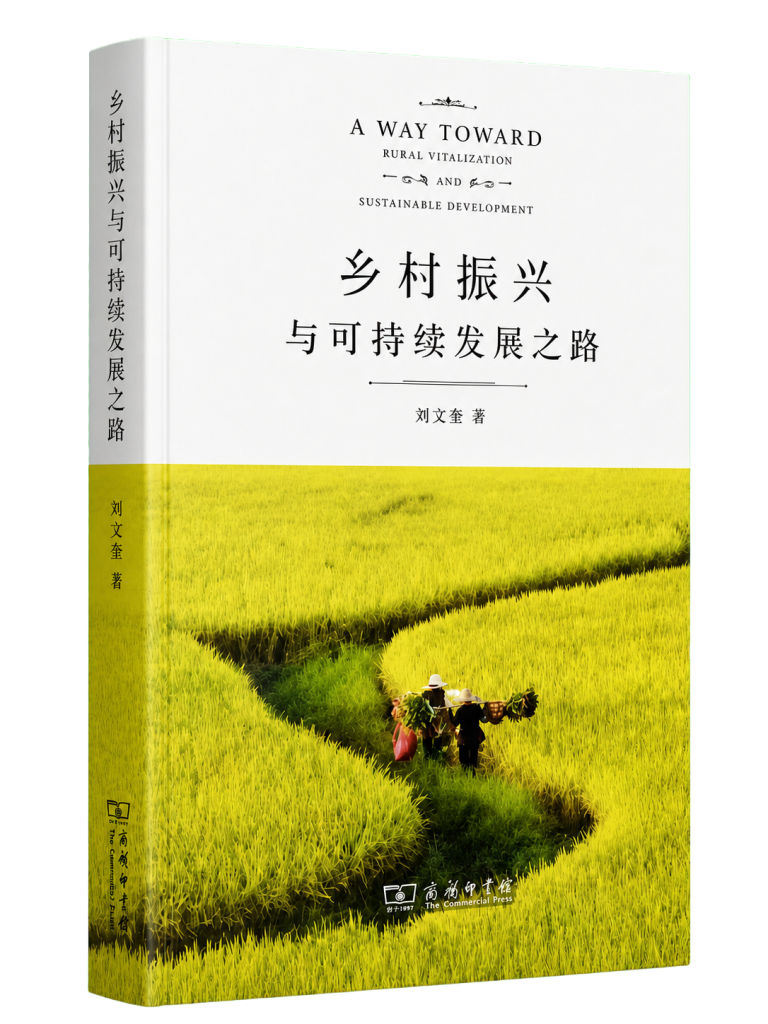
This book provides a comprehensive and strategic exploration of modernization, sustainable development, and rural revitalization paradigms in contemporary China. The authors analyze the economic, social, and environmental challenges facing rural areas, elucidating the macro-governance policies aimed at narrowing the urban-rural gap, preserving cultural and indigenous heritage, and ensuring food security within a framework of balanced and sustainable growth.
Ritual, Music and Cultural Traditions in China
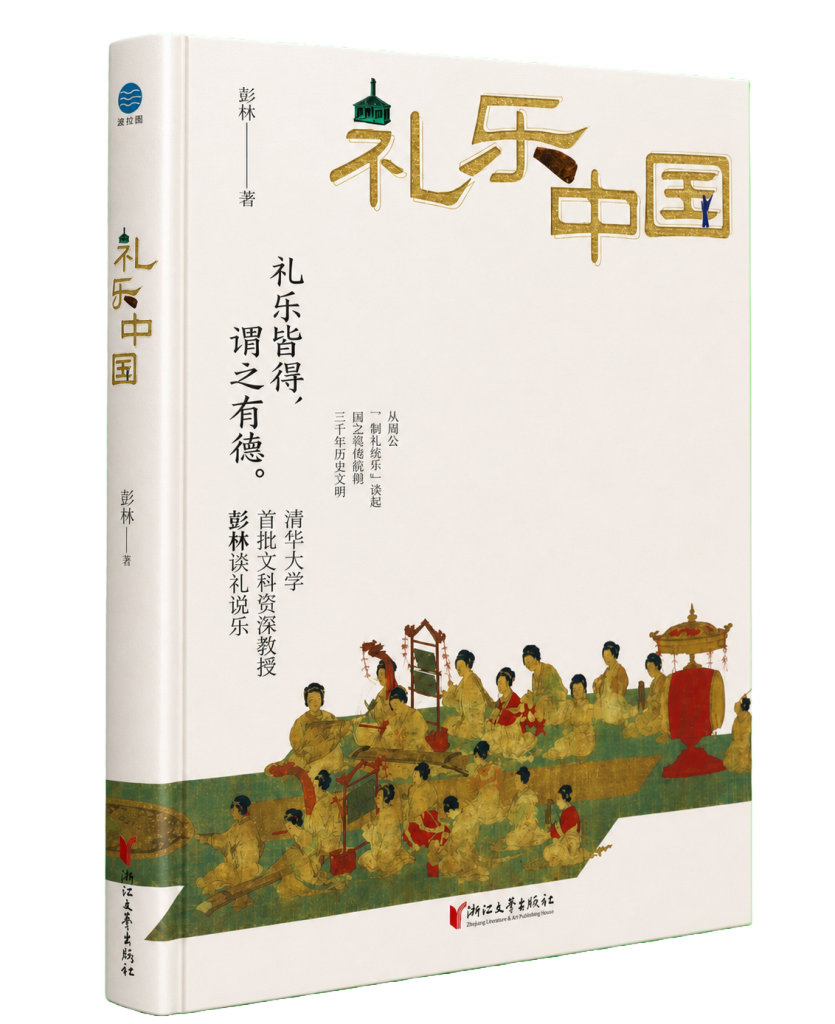
This book offers a profound journey into the roots of Chinese civilization, illustrating the unbreakable bond between social rituals, traditional music, and cultural beliefs. The author demonstrates how music and rites served as powerful tools of governance, shaping China’s cultural identity and social cohesion across centuries.
An Outline of Chinese History
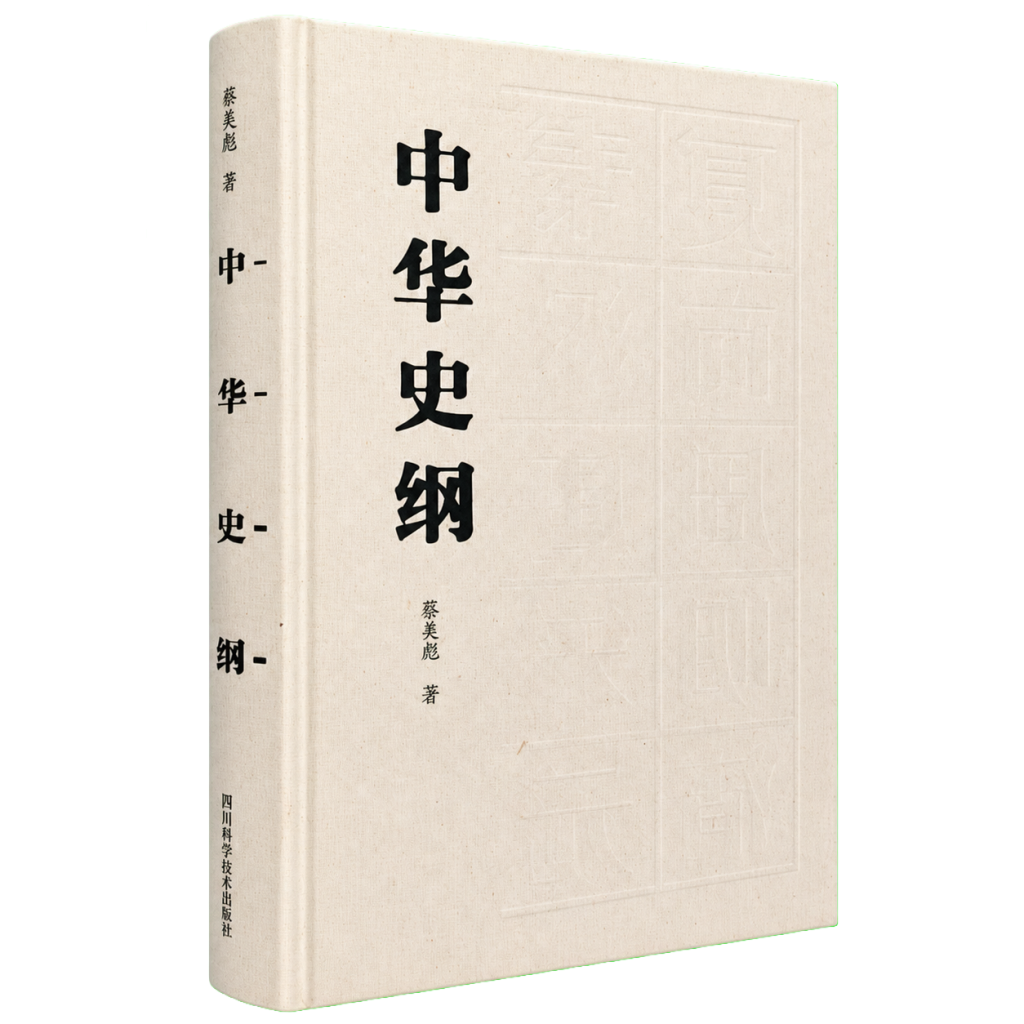
This authoritative reference work provides a comprehensive, coherent, and systematic overview of the triumphs and tribulations of Chinese civilization, spanning from ancient times and the emergence of the earliest dynasties to the late imperial era. Drawing on structural analysis and rigorous historical documentation, the author examines the political, social, and economic transformations of this land, offering an accurate narrative of how China’s civilizational identity and its unbreakable cultural continuity were forged over millennia.
Chinese Buddhism and Traditional Culture
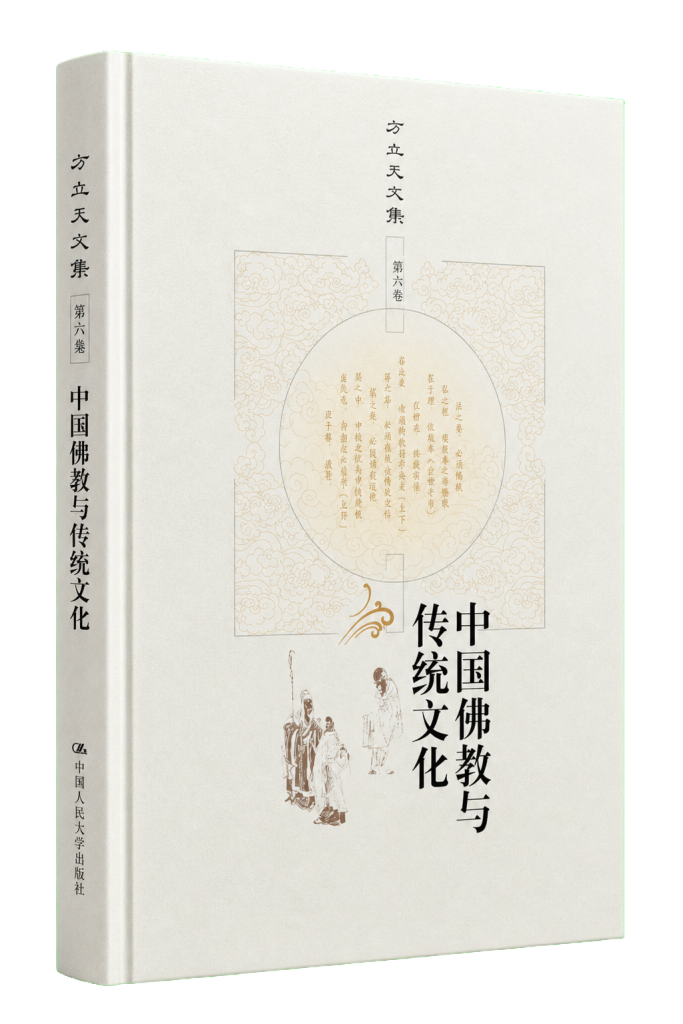
This comprehensive and authoritative work offers a profound analysis of how Buddhism was introduced, localized, and integrated into the cultural and social fabric of ancient China. By examining the complex interactions between Buddhism and indigenous Chinese philosophies such as Confucianism and Taoism, the author demonstrates how this faith adapted to the Chinese spirit, becoming an inseparable pillar of Chinese philosophy, art, literature, and value systems.
The Core Values of Chinese Civilization
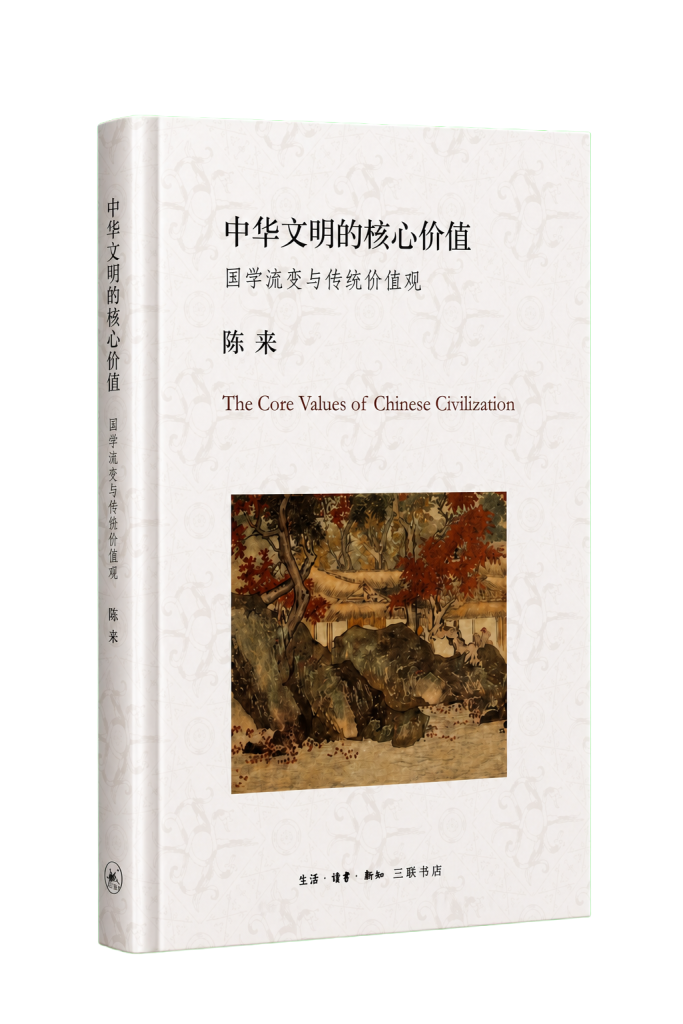
This profound work explores the intellectual structure and axiological system of Chinese civilization, analyzing its core ethical principles and structural differences from Western thought. Drawing on ancient traditions and philosophical schools, the author elucidates four key principles: the priority of responsibility over freedom, duty over rights, community over individual, and harmony over conflict, demonstrating how these values have sustained China’s cultural identity for millennia.