
Historical Materialism and Contemporary China
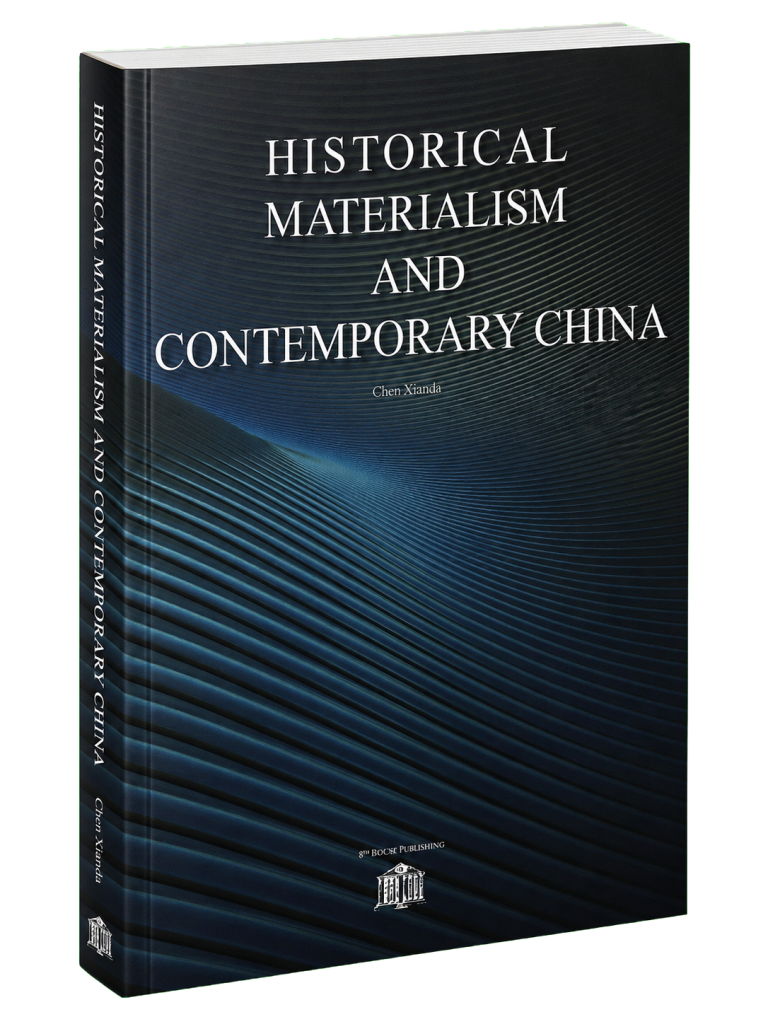
Chen Xianda, an Honorary Professor at Renmin University of China and one of the country’s most distinguished Marxist philosophers, has been a towering figure in the field for decades. As the former President of the Chinese Historical Materialism Society and recipient of the prestigious Wu Zhang Humanities and Social Sciences Lifetime Achievement Award, his intellectual authority is undisputed. In Historical Materialism and Contemporary China, a key volume in the “Marxist Theory and Contemporary China” series, he presents a powerful argument for the enduring relevance of historical materialism. The book offers a brilliant refutation of both Confucian restorationism and the wholesale rejection of China’s own past, demonstrating instead that Marxism’s success in China stemmed from its profound ability to absorb the best of the nation’s cultural heritage. In turn, this encounter breathed new life into millennia old Chinese traditions.
Structured into three core sections, the work is a masterclass in theoretical and practical wisdom. The first section establishes the essence and function of historical materialism, clarifying its relationship with dialectical materialism and tackling the complex interplay between economic determinism and human agency. The second section focuses on the “Chinese Road,” analyzing the dialectics of a century of change, the lessons of socialist practice, and the meaning of the Chinese path and Chinese solution. The final section delves into culture and conviction, exploring the integration of Marxism with traditional Chinese culture, the historical cycle of dynasties and China’s socialist path, and the critical contemporary issue of cultural confidence.
More than a mere theoretical study, this book is an indispensable tool for understanding the philosophical logic that underpins China’s modern governance and cultural renaissance. It speaks directly to scholars of Sinology, students of political philosophy, and policymakers, as well as any keen observer of global affairs trying to decipher the worldview driving contemporary China. Rigorous yet accessible, Historical Materialism and Contemporary China is a timely and vital contribution to one of the defining dialogues of our era: how ancient civilizations can absorb and transform modern ideologies to forge a unique path of development.