The Liangzhu Kingdom of 5,000 Years
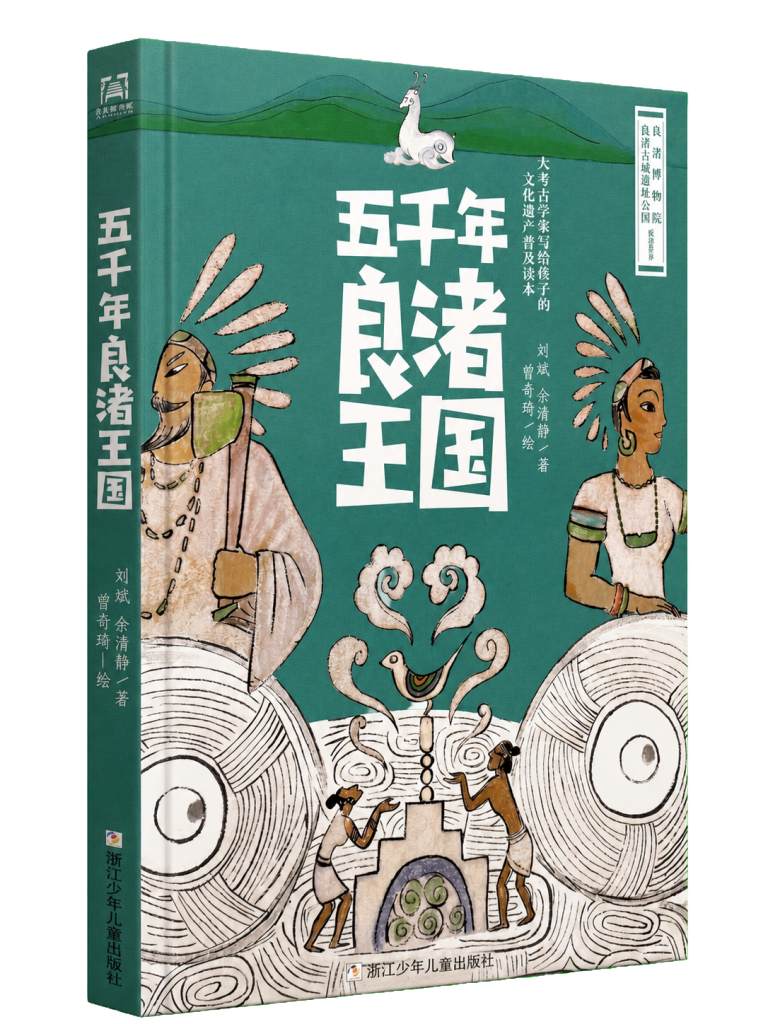
This remarkable book takes young readers on a vivid journey back 5,000 years to the ancient Kingdom of Liangzhu, a civilization that represents the dawn of Chinese culture. Written by renowned archaeologist Liu Bin, the lead discoverer of the Liangzhu archaeological site, this beautifully illustrated children’s book unlocks the mysteries of a UNESCO World Heritage site. Through a unique focus on three core elements—water, city, and jade—it reveals the everyday life, remarkable engineering, and spiritual world of the Liangzhu people, from the world’s earliest known dam system to China’s unique “Jade Age.”
Co-authored by Liu Bin, a leading archaeologist and director of the Zhejiang Provincial Institute of Cultural Relics and Archaeology, and Yu Jingjing, a former Xinhua News Agency journalist with extensive experience covering major archaeological discoveries, this book bridges the gap between rigorous scholarship and engaging storytelling. It is an authoritative yet wonderfully accessible introduction to one of the world’s oldest civilizations, brought to life with stunning illustrations by Zeng Qiqi that blend traditional Chinese ink painting with modern animation.
In July 2019, the Archaeological Ruins of Liangzhu City were inscribed on the UNESCO World Heritage List as testimony to the existence of a Chinese civilization at least 5,000 years ago. This book captures that significance for a young audience, helping them understand not just the facts of the past, but the wonder of discovery. It is a perfect resource for parents and educators seeking to inspire curiosity about history, archaeology, and the rich tapestry of China’s cultural heritage.
The History and Appreciation of Chinese Dances
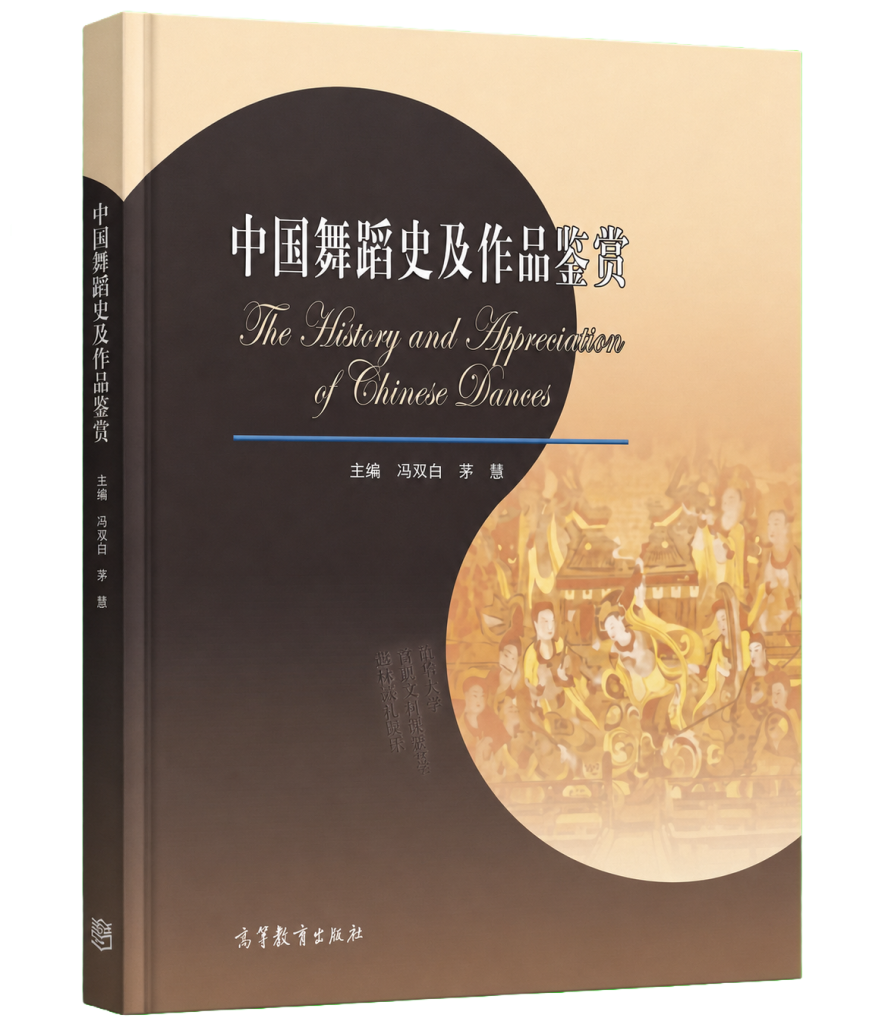
The History and Appreciation of Chinese Dances is a comprehensive textbook on the general history of Chinese dance, designed specifically for university students and graduate majors in dance. The book is organized into fourteen chapters. Each chapter begins with a thorough exposition of historical theories and knowledge, followed by a dedicated “Appreciation of Works” section. These sections provide brief critical reviews of contemporary dance works that relate to the historical content of the chapter, effectively bridging the gap between ancient dance history and modern dance practice while stimulating the reader’s imagination. At the end of each chapter, “Thought and Exercise” questions help instructors highlight key points and assist students in mastering the most important and challenging material.
To emphasize the professional character of dance as an art form, the book includes over three hundred carefully selected dance images, making the content more vivid and intuitive. Covering dance from ancient times through successive dynasties to the present day, the text respects established academic conclusions while appropriately incorporating new theoretical insights. For example, the book delves into the dance traditions of the Yellow Emperor’s tribal confederation, including the famous Cloud Gate Great Scroll (Yunmen Dajuan), also known as Cheng Yun or Xianchi. This dance was the first piece in the “Six Dances” of the early Zhou dynasty, created to praise the Yellow Emperor’s achievements — his creation of all things, uniting of the people, and virtue as abundant as clouds. The book traces the origins of such dances as totemic rituals, drawing on legends from classical texts such as Zhuangzi and Han Feizi, and even links them to later military music and the Chiyou Dance (a horned dance still reflected in the silver bull horn ornaments of Miao women today). Archaeological materials — pottery and rock paintings — are also examined, with appreciations of notable works such as the Dance Pattern Painted Pottery Basin, the Huashan Rock Paintings in Guangxi, and the grand musical Luoyue Shenyun.
This textbook is an indispensable resource for students, teachers, and researchers of Chinese dance, as well as for anyone interested in the intersection of performing arts, archaeology, and ancient Chinese culture. By connecting legendary origins, ritual practices, and contemporary choreography, The History and Appreciation of Chinese Dances offers a holistic and deeply engaging journey through China’s rich and continuous dance heritage.