IRAN Against Demonization
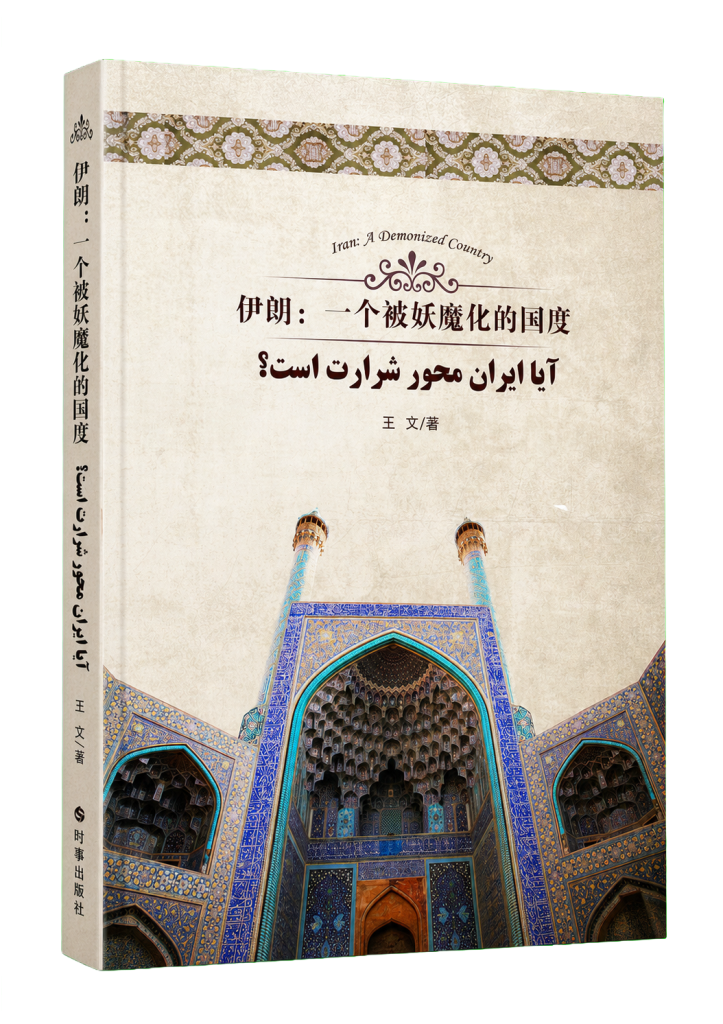
In this remarkable travelogue cum political analysis, Wang Wen — Executive Dean of the Chongyang Institute for Financial Studies at Renmin University of China — takes the reader on an intimate journey into the heart of contemporary Iran. Written in the wake of the 2012 “Arab Spring” and escalating Western sanctions, the book challenges the one dimensional, often hostile portrayal of Iran in mainstream Western media. Wang, a distinguished Chinese scholar and former editor of the Global Times, draws on his firsthand observations during a visit to Tehran and Isfahan. He asks a simple yet provocative question: Is Iran truly the “axis of evil” as depicted by Washington, or is it a complex, proud, and deeply dignified nation that has been systematically demonized?
The book unfolds as a series of twelve vivid essays, each peeling back a layer of misconception. Wang begins with his own introspections on the flight to Tehran, confessing his initial nervousness — a reflection of how even educated Chinese have internalized Western narratives about Iran’s “dangerousness.” But upon arrival, he encounters a startlingly different reality: fashionable, friendly women who happily pose for photos; a society that is simultaneously devout and “quietly passionate”; a political system where President Ahmadinejad stands unprotected before millions, far more accessible than any Western leader. Wang explores the paradox of Iranian life — the chador covering colorful attire, the absence of nightclubs yet the presence of romance on every corner — and concludes that Iran is neither a terrorist haven nor a chaotic failed state, but a nation where “dignity” trumps material comfort.
What makes this book particularly valuable is Wang’s insistence on providing three alternative perspectives: the Iranian view of itself as a free, democratic, and dignified Islamic power; the global view of Iran as an emerging “axial civilization” resisting Western hegemony; and the Chinese strategic view of Iran as an indispensable energy partner and geopolitical counterweight. Wang argues that Iran serves as a “concave and convex mirror” for China — reflecting both China’s achievements and its own compromises. Written with the fluency of a journalist and the rigor of a policy analyst, Iran: A Demonized Country is essential reading for anyone seeking to understand the real Iran beyond the headlines, and for those who wish to reflect on how global power narratives shape our perceptions of entire nations.
Hayat Apartmanı

Hayat Apartmanı is a warm and heart lifting story of friendship, sharing, and the unexpected magic of community life. Through the wide eyed gaze of a young boy named Mehmet, we are welcomed into an old apartment building in Istanbul where every floor holds a different world. There is Muhammet, who dreams of football glory; Sinan, a quiet chess master; Necla Nine and Hayri Dede, who have a century of memories between them; and Caroline Teyze, who has an uncanny talent for choosing the perfect gift. Their stories intertwine in small, quiet moments — a shared meal, a whispered secret, a helping hand — showing that a real neighbourhood is less a collection of flats and more an extended family. But when a mysterious new neighbour moves into the sixth floor, Mehmet’s chance encounter sets in motion a chain of surprises that will change not only his own life, but the story of the whole apartment.
Written by Özge Lokmanhekim and illustrated by Başak İşbilir, Hayat Apartmanı was published by Fom Kitap in January 2025. The story draws deeply on the author’s own childhood years in Istanbul and her time living in the historic Simotas Building in Kuzguncuk, where neighbourly bonds and small scale kindnesses shaped her own understanding of what it means to belong. In an age of digital isolation, where urban life often thins the ties between people, Lokmanhekim’s tale is a gentle reminder of how much we still need one another — for empathy, for support, for the simple joy of being part of something larger than ourselves. The book weaves together the old and the new, blending local Turkish flavours with universal values of tolerance and cooperation.
At its heart, Hayat Apartmanı celebrates diversity as a quiet treasure. Every character carries habits, viewpoints and life stories that are uniquely their own, yet it is precisely these differences that make the community richer. Young readers are gently encouraged to observe, to question, and to put themselves in another’s shoes — learning that disagreements are not obstacles but opportunities for growth. With lively illustrations and a tender narrative voice, this 32 page picture book is ideally suited for children aged 6–8. It is a perfect choice for parents and educators seeking to nurture emotional intelligence and social awareness through a story that is as entertaining as it is nourishing.
Bostan Korkuluğu
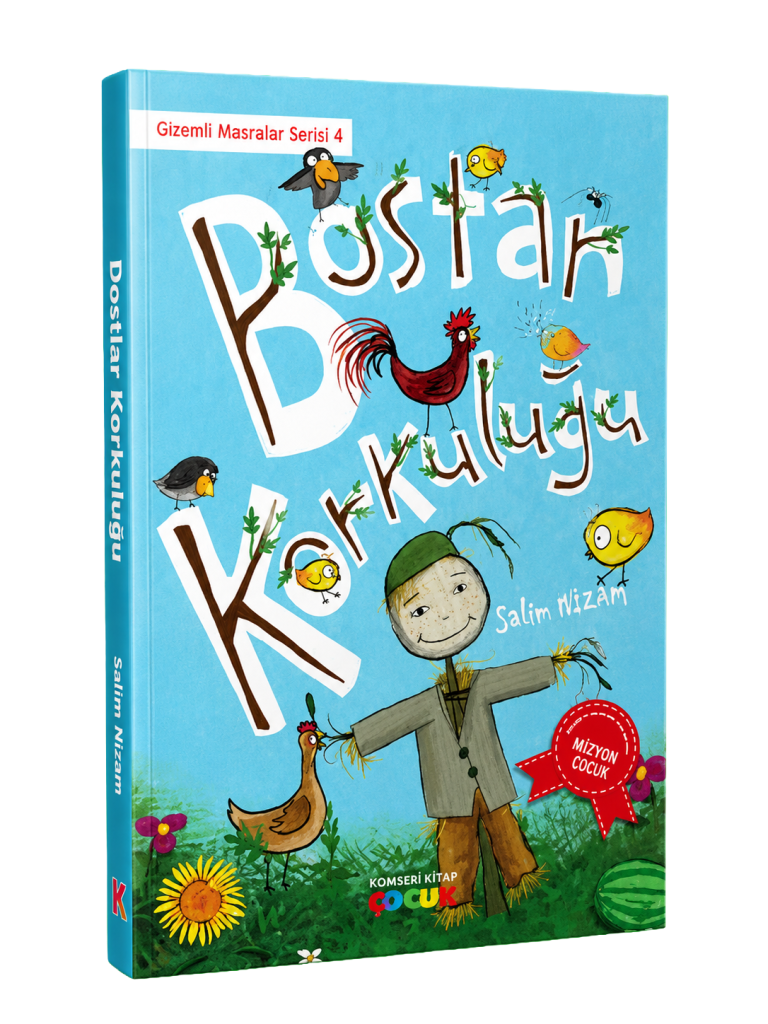
From the heart of contemporary Turkish literature comes Bostan Korkuluğu (The Scarecrow), a delightful and wise children’s book by the award-winning Turkish author and poet Salim Nizam. Known in his homeland as the “new Ömer Seyfettin” for his masterful storytelling, Nizam brings his characteristic warmth, intelligence, and deep understanding of rural life to this enchanting tale. The story follows the brave and clever scarecrow tasked with protecting the fields, who one day spots three suspicious men wandering around his village. What begins as a simple duty soon unfolds into an engaging adventure, teaching young readers timeless lessons about courage, vigilance, and the quiet heroism found in everyday life.
Nizam draws richly from his own childhood in the village of Paşaçiftlik in Gönen, Balıkesir, where he was born in 1970. The son of a storyteller mother and a father who sang folk songs, he grew up listening to the tales and traditions that would later fill his award-winning stories. A graduate of Turkish Language Teaching and Turkish Language and Literature, Nizam has won numerous national literary awards, including first prize in the prestigious Ömer Seyfettin Story Competition for his work Köy Saatçisi (The Village Watchmaker). His novel Ben Gönen’de Doğdum (I Was Born in Gönen) was selected as the Best Novel of the Year at the 2022 ESKADER Culture and Art Awards. With Bostan Korkuluğu, part of his “Gizemli Maceralar Serisi” (Mysterious Adventures Series), he brings his signature blend of mystery, morality, and Anatolian charm to young readers.
Published by Semerkand Çocuk Yayınları, this 72-page Turkish-language edition is ideally suited for children aged 6 to 8. Its accessible prose, brisk pacing, and gentle suspense make it a perfect introduction to literary reading. More than just a mystery, Bostan Korkuluğu is a celebration of responsibility, community, and the courage to act when something seems amiss. It is an ideal choice for parents and educators seeking to enrich a child’s library with a story that is both entertaining and morally nourishing, offering a window into the timeless storytelling traditions of Turkey.
Historical Materialism and Contemporary China
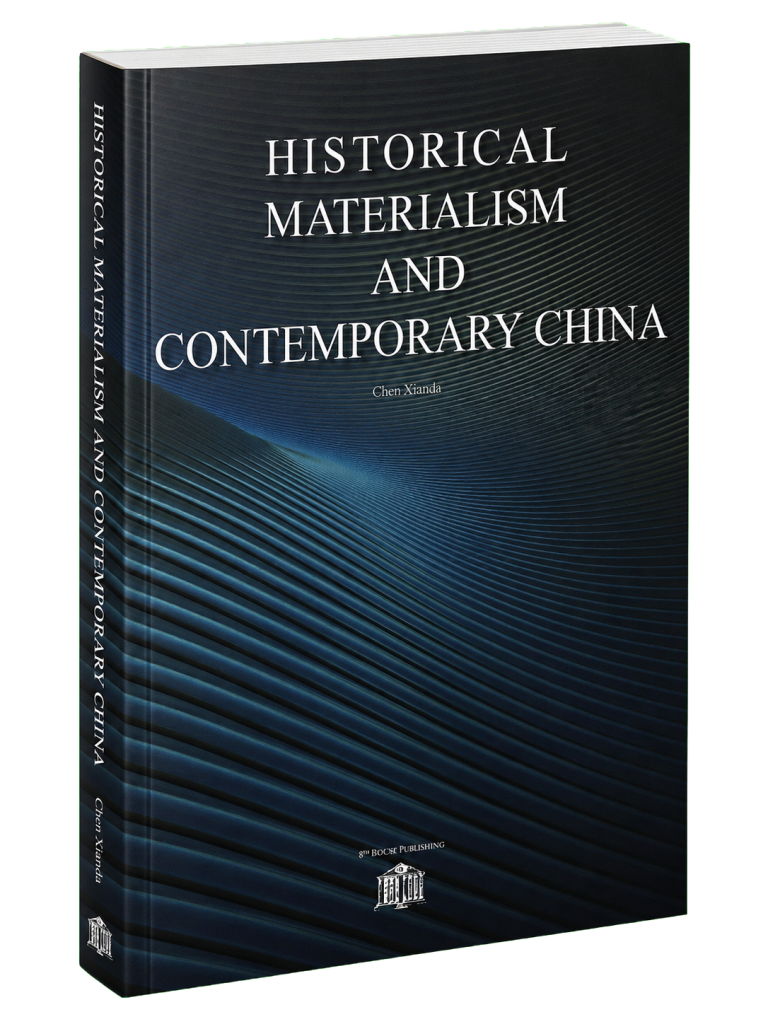
Chen Xianda, an Honorary Professor at Renmin University of China and one of the country’s most distinguished Marxist philosophers, has been a towering figure in the field for decades. As the former President of the Chinese Historical Materialism Society and recipient of the prestigious Wu Zhang Humanities and Social Sciences Lifetime Achievement Award, his intellectual authority is undisputed. In Historical Materialism and Contemporary China, a key volume in the “Marxist Theory and Contemporary China” series, he presents a powerful argument for the enduring relevance of historical materialism. The book offers a brilliant refutation of both Confucian restorationism and the wholesale rejection of China’s own past, demonstrating instead that Marxism’s success in China stemmed from its profound ability to absorb the best of the nation’s cultural heritage. In turn, this encounter breathed new life into millennia old Chinese traditions.
Structured into three core sections, the work is a masterclass in theoretical and practical wisdom. The first section establishes the essence and function of historical materialism, clarifying its relationship with dialectical materialism and tackling the complex interplay between economic determinism and human agency. The second section focuses on the “Chinese Road,” analyzing the dialectics of a century of change, the lessons of socialist practice, and the meaning of the Chinese path and Chinese solution. The final section delves into culture and conviction, exploring the integration of Marxism with traditional Chinese culture, the historical cycle of dynasties and China’s socialist path, and the critical contemporary issue of cultural confidence.
More than a mere theoretical study, this book is an indispensable tool for understanding the philosophical logic that underpins China’s modern governance and cultural renaissance. It speaks directly to scholars of Sinology, students of political philosophy, and policymakers, as well as any keen observer of global affairs trying to decipher the worldview driving contemporary China. Rigorous yet accessible, Historical Materialism and Contemporary China is a timely and vital contribution to one of the defining dialogues of our era: how ancient civilizations can absorb and transform modern ideologies to forge a unique path of development.
A Way Toward Rural Revitalization and Sustainable Development Path
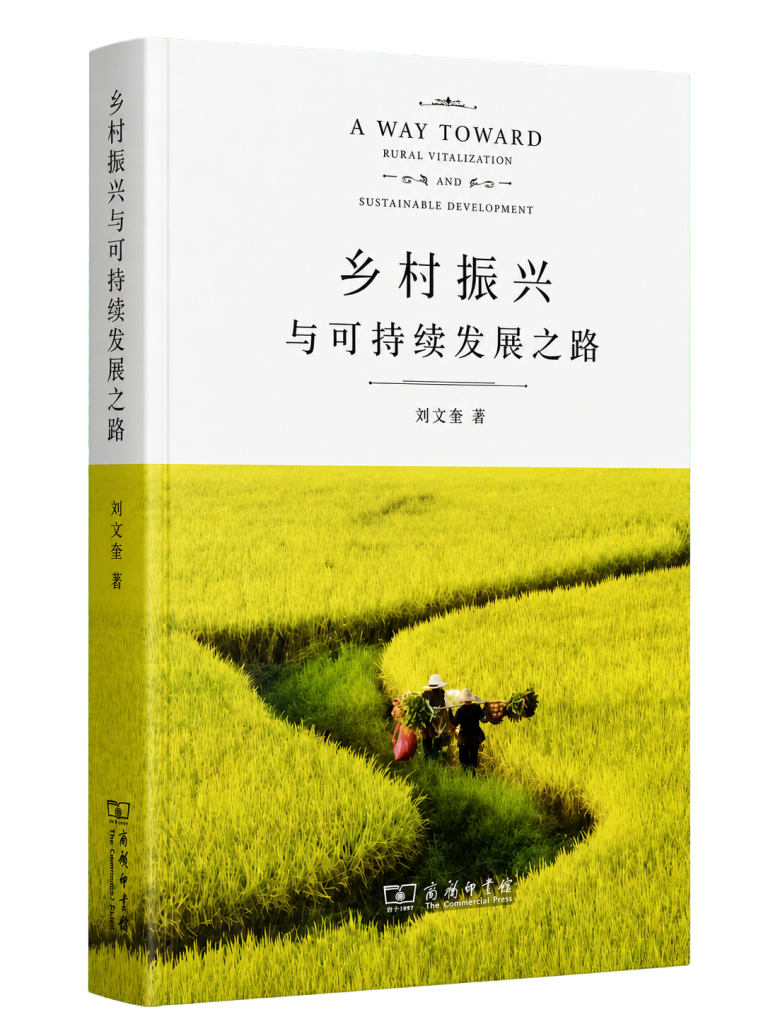
A Way Toward Rural Revitalization and Sustainable Development Path offers a firsthand, deeply practical account of poverty alleviation and sustainable rural development in China. The author, Wenkui Liu, has spent twenty years working with the China Foundation for Poverty Alleviation (CFPA), rooted in some of the country’s most impoverished villages. Through trial and error, he and his colleagues forged a market-oriented development model based on villagers’ cooperatives. The book is written in a fluent, engaging style, blending personal narrative with critical analysis, and provides clear answers to the most pressing problems facing rural areas today.
The book is structured around three major case studies. The first, from Daliangshan in Sichuan, reveals that simply pooling financial and material resources is insufficient to break the cycle of poverty. While such efforts brought visible changes, they failed to achieve sustainable development. The lesson: rural areas must develop industrial projects that participate in market competition, which requires transforming traditional smallholder production methods. The second case, from Minle Village in Gansu, builds on this insight. The CFPA introduced a cooperative-based, industry-oriented model, recognizing the value of modern enterprise systems and villagers’ cooperation. Although the industrial project ultimately failed, the experience highlighted the crucial role of village leaders in changing mindsets. The third case, from Ganda Village in Qinghai, demonstrates success: mobilizing capable local leaders to run market-oriented, cooperative-based industrial projects. Ganda transformed from a village too poor to afford yogurt into a prosperous community.
Since 2013, the CFPA has applied these lessons more widely. Two flagship initiatives emerged: the Baimei Village Homestay Project, which turns villagers’ old houses into rural boutique homestays for urban visitors, and the Shanpin Commune Project, which connects high-quality agricultural products directly with end consumers via e commerce platforms. The homestay project now operates in twenty villages, and the Shanpin Commune will reach one hundred villages by the end of the year. A Way Toward Rural Revitalization and Sustainable Development Path is an invaluable resource for practitioners and researchers alike, offering not only analysis but proven solutions for sustainable rural development.
Ritual, Music and Cultural Traditions in China
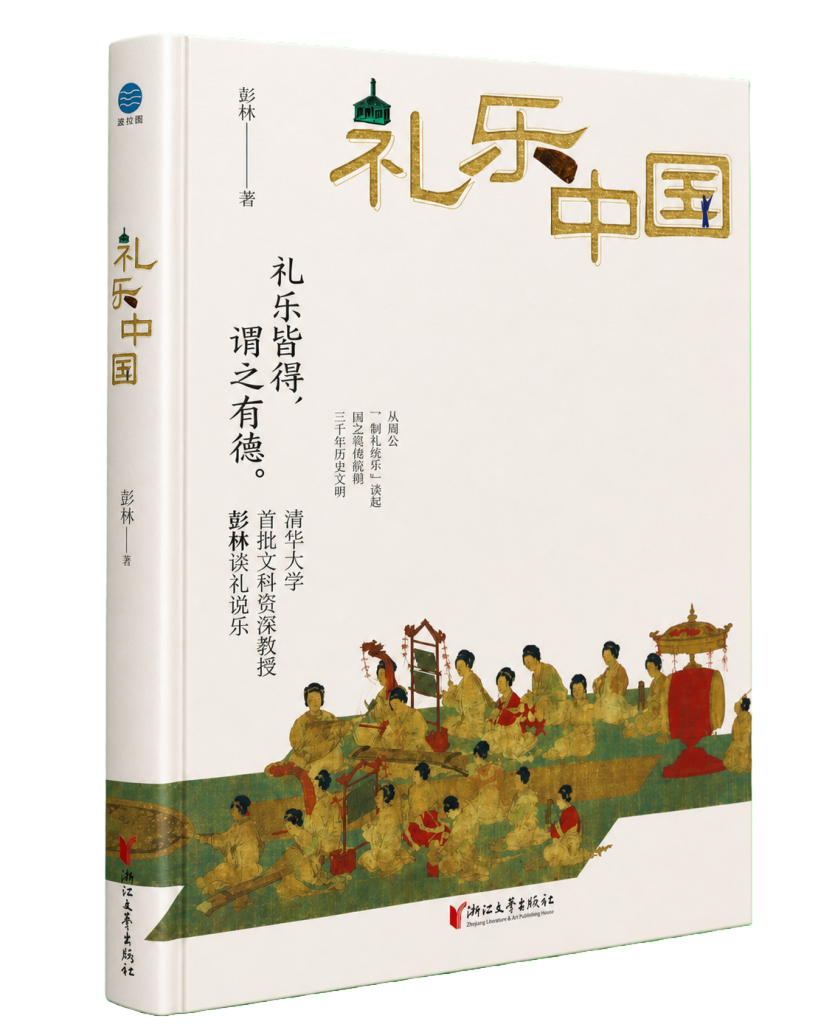
At the heart of this book lies a fundamental question: can Chinese civilization offer a distinct model of cultural development for the modern world? Professor Peng Lin, a distinguished historian from Tsinghua University, believes that the answer lies in understanding China’s ancient yet enduring “Li-Yue” (Ritual and Music) civilization. This work distills his decades of research, exploring the profound cultural implications and surprising practical relevance of “Li” (rituals) — the very core of Chinese civilization. Far from being merely rigid formalities or feudal remnants, rituals, as the book reveals, are the living framework that has shaped Chinese ethics, social order, and collective ethos for millennia.
Professor Peng masterfully connects ancient theories with contemporary concerns through clear language and vivid examples. He argues that true cultural confidence in the 21st century comes from a deep-rooted understanding of one’s own traditions. The book elaborates on concepts like the transformative power of music (Yue) in moral cultivation and the importance of ritual in fostering social harmony. More than a historical study, this volume serves as a vital key for anyone wishing to understand not just the “how,” but the “why” behind China’s unique cultural DNA. It is an essential read for scholars of Sinology, students of comparative philosophy, and all who seek to grasp the foundational values driving one of the world’s oldest continuous civilizations.
An Outline of Chinese History
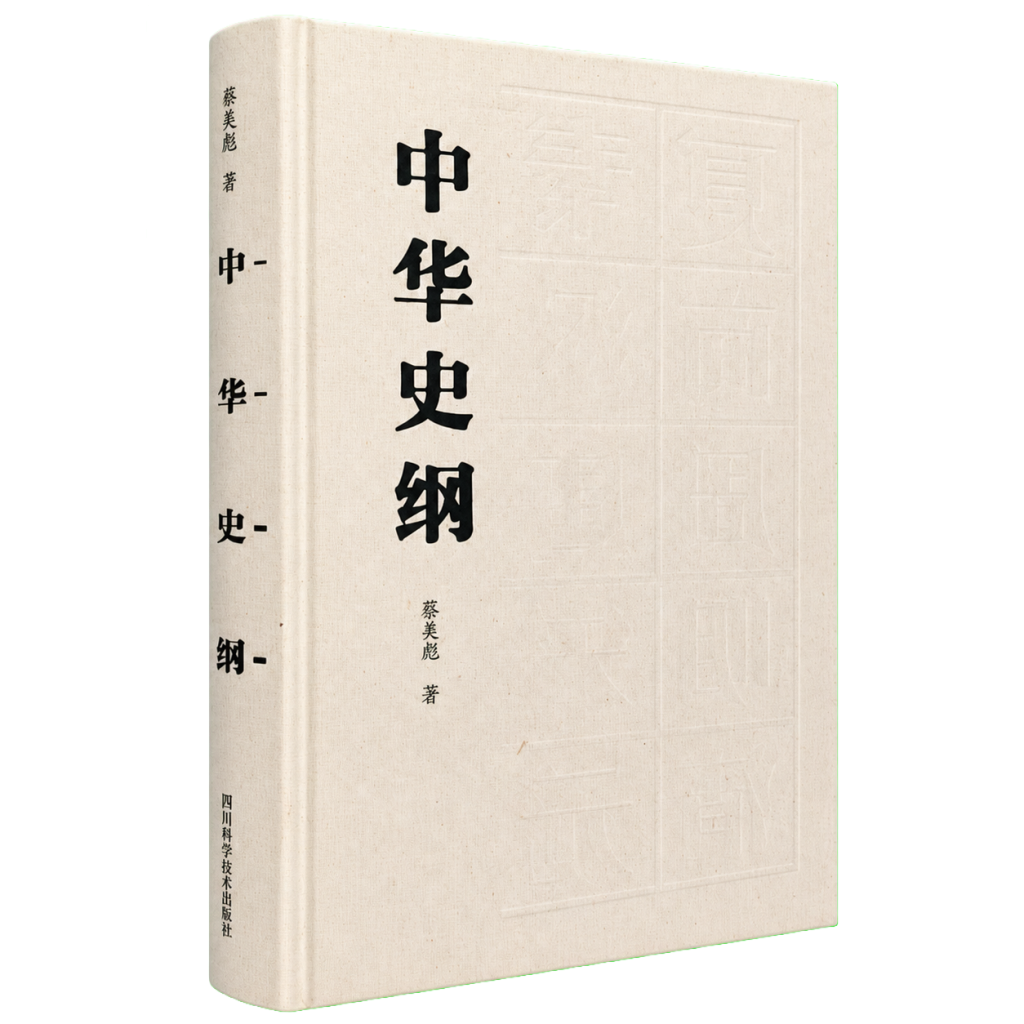
An Outline of Chinese History is a masterful condensation of the monumental twelve-volume General History of China, originally published by People’s Publishing House. The author, Cai Meibiao — honorary member of the Chinese Academy of Social Sciences and researcher at the Institute of Modern History — took on the task of creating this simplified edition at the request of central leaders who believed that the comprehensive multivolume work should be made accessible to the general public. The original General History of China is widely regarded as the most complete and systematic history of China produced in the past century. Its first four volumes were written by the renowned historian Fan Wenlan, and after Fan’s passing, Cai Meibiao presided over the completion of the remaining volumes. In this condensed version, Cai uses just 300,000 Chinese characters to outline the historical arc from primitive society to the fall of the Qing Dynasty. The result is a work that is detailed where it matters, concise in language, and truly reflective of a master historian’s craft — a rare, high level historical work intended for non specialist readers.
The book follows a strict general history format, covering every major dynasty — from the Qin, Han, Tang, Song, Yuan, Ming, and Qing, to the Wei, Jin, Southern and Northern Dynasties, and the Five Dynasties and Ten Kingdoms. Despite its brevity, it encapsulates five thousand years of Chinese history. Readers will learn, for example, when China implemented the provincial system and under what historical conditions Xinjiang and Taiwan were established as provinces. The book’s thematic focus is equally clear: it traces China’s transition from slavery to feudalism, the origins of imperial rule, the rise and fall of dynasties, and the lessons of state governance. Key concepts — such as the power usurpation by royal relatives, eunuchs misleading the state, “holding the emperor to command the princes,” the nine rank system, the clan system, and the imperial examination system — are all explained in detail. The book also highlights glorious eras: the Zhenguan reign of the Tang Dynasty, the technological inventions of the Song, Zheng He’s seven voyages to the West during the Ming Yongle period, and the Kangxi Qianlong prosperity of the Qing. At the same time, it does not shy away from describing periods of chaos, peasant uprisings, and the late Qing’s failure to respond to Western capitalist powers, which led to China becoming a semi colonial, semi feudal society.
A particular strength of this book is its attention to the formation of China as a multi ethnic unified country with the Han nationality as the main body. Cai Meibiao provides insightful analysis — for example, how the northern regimes during the Wei and Jin dynasties, though established by various ethnic groups, adopted the ancient Han state names to claim the cultural heritage of the Central Plains, thereby facilitating ethnic integration. By reading this book, audiences gain a clear understanding of how China’s multi ethnic unity evolved, including the roots of later ethnic autonomy policies. Furthermore, the book guides readers to appreciate the deep historical accumulation behind today’s China, fostering a sense of awe for history and respect for the ancestors who propelled progress. It is not only a historical overview but also an education in patriotism and a resource for those thinking about China’s development path, harmonious society, and socialist core values.
Chinese Buddhism and Traditional Culture
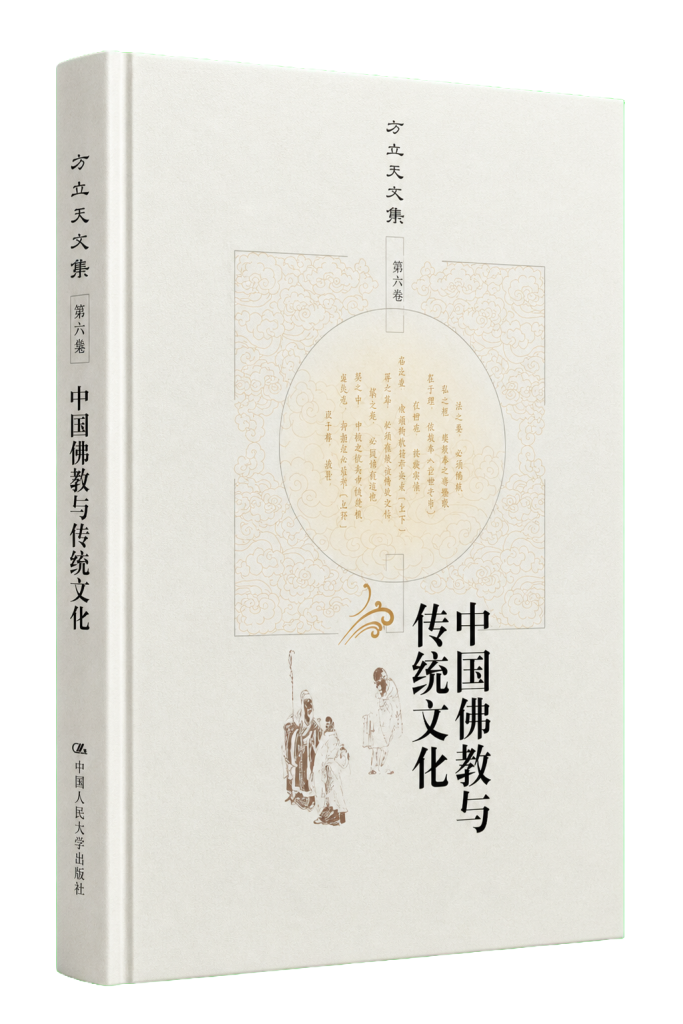
Since the first century CE, when Buddhism entered China from India, this foreign religion has both influenced and been influenced by traditional Chinese culture, eventually becoming an integral part of it. This profound historical process is not only a major theme for China but for all of East Asia. In Chinese Buddhism and Traditional Culture, Professor Litian Fang offers a systematic exploration of Buddhism as a cultural entity, examining its classics, doctrines, monastic system, and rituals. By tracing the religion’s development chronologically — from its introduction during the Han Dynasties (202 BCE–220 CE), through its flourishing in the Sixteen Kingdoms (c. 304–439 CE), to its gradual decline since the Five Dynasties (907–c. 960 CE) — the book provides a clear and comprehensive overview of Buddhism’s long journey on Chinese soil.
A key contribution of this work is its detailed analysis of how Buddhism became sinicized. The author highlights the crucial roles played by Buddhist schools of the Southern and Northern Dynasties (420–589 CE) and the Buddhist sects of the Sui and Tang Dynasties (581–907 CE) in this transformative process. Moreover, the book addresses the fascinating question of similarities and differences between Chinese Buddhism and its Indian counterpart. By comparing the two, Professor Fang illuminates the specific characteristics of Chinese Buddhist thought and culture — how indigenous Confucian and Daoist ideas reshaped Buddhist doctrines, and how, in turn, Buddhism enriched China’s philosophical and cultural landscape. The final chapter extends the discussion beyond China, examining the external influence of Chinese Buddhism across East Asia, including in Korea, Japan, and Vietnam.
This volume is an essential resource for scholars and students of Buddhism and Chinese cultural studies, particularly those in Buddhist countries. It will also appeal to any reader interested in religion, Chinese culture, and ancient Chinese history. Written with academic rigor yet accessible in style, Chinese Buddhism and Traditional Culture offers both a gateway for newcomers and deep insights for specialists, demonstrating how a foreign faith became a pillar of one of the world’s oldest continuous civilizations.
The Core Values of Chinese Civilization
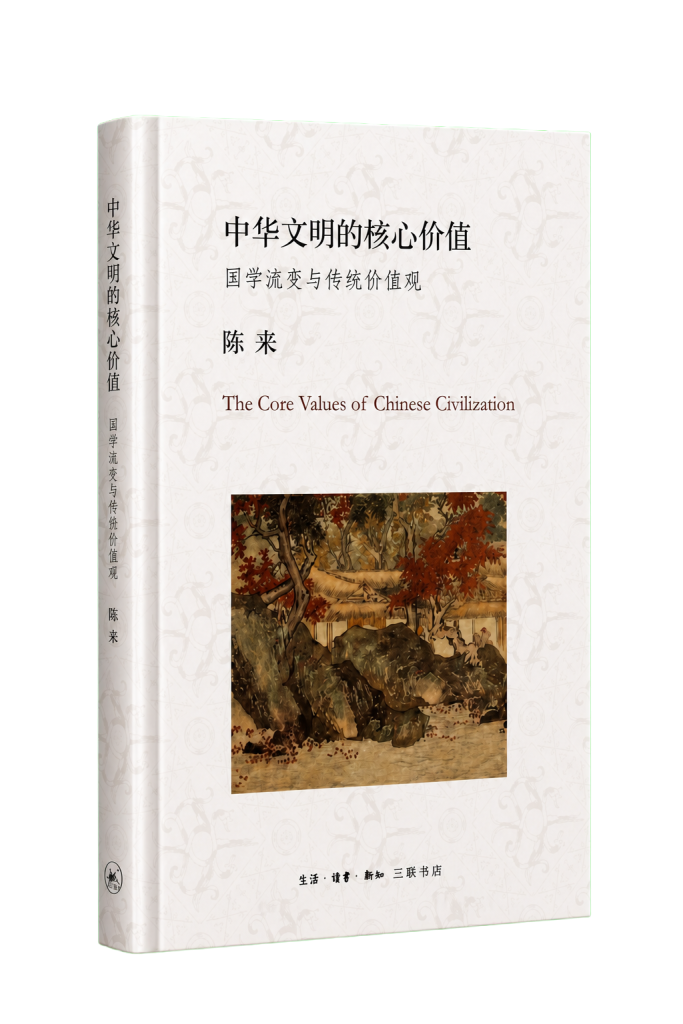
Drawing on the core values of Western civilization as a comparative lens, this book identifies and refines the corresponding core principles within Chinese civilization. The author distills them into four fundamental tenets: duty before freedom, obedience before rights, community before the individual, and harmony before conflict. Rooted in a deep engagement with guoxue — traditional Chinese Sinology — the work provides a detailed explanation of China’s classical value system, offering readers a structured understanding of how these principles have shaped Chinese thought and society across centuries.
While modern scholars have extensively discussed the concept of guoxue, their efforts have largely focused on compiling and cataloging an extremely rich and diverse body of information. Missing, however, has been a systematic theoretical analysis of the concepts and theories underlying guoxue. This book fills that gap by developing a rigorous theoretical framework in three important respects. First, it analyzes the mindset of guoxue, examining the dominant ideas and values of the historical period in which the term emerged. Particular attention is paid to the connection between guoxue and early social and cultural transformations, distinguishing three key phases of its development. Unlike past scholars who primarily defined guoxue by its range of studied objects, this book emphasizes guoxue as a modern body of research with its own evolving logic.
Second, the book assesses several phases in the modern evolution of guoxue research, tracing its journey from the beginning to the end of the twentieth century — culminating in the later phase of the National Heritage movement. Third, it explores the various main modes of modern guoxue, demonstrating how these modes correspond step by step with the evolutionary phases of guoxue research. By providing both historical depth and theoretical clarity, The Core Values of Chinese Civilization offers an essential resource for anyone seeking to understand the philosophical and cultural foundations of contemporary Chinese civilization.
A Study of Mohist Logic

This landmark work by Professor Yang Wujin of Renmin University of China provides a definitive, systematic study of Mohist logic — one of the three major sources of ancient logic worldwide, alongside Aristotelian logic and Indian Hetu-vidya (In logic). For over a century, the existence and legitimacy of a native Chinese logical tradition have been fiercely debated. Professor Yang, a leading philosopher and distinguished logician, confronts this debate head on. He meticulously examines the historical and cultural origins of Mohist logic, fully affirming the foundational classical texts and their philosophical interpretations. This book refutes the once prevalent view that China had no logical tradition, demonstrating instead that the Mohist school, founded by the philosopher Mozi in the 5th century BCE, developed a sophisticated and highly relevant system of reasoning rooted in the very essence of language and argumentation.
Professor Yang achieves this through a brilliant two tiered analysis. At the object-language level, he reveals Mohist logic as a form of “argumentation logic,” which closely resembles the non formal logic and critical thinking now highly valued in the West. At the meta theoretical level, he uncovers its underlying theories and principles of formal logic, using modern logical tools to unlock its timeless wisdom. The book shows how Mohist logicians systematically studied concepts, propositions, inference patterns, and paradoxes — long before similar work emerged elsewhere. By bridging ancient Chinese thought with contemporary logical frameworks, Yang Wujin demonstrates not only the legitimacy but also the profound modernity of Mohist logic. Praised by scholars for its fresh linguistic perspective, this volume is an essential resource for anyone interested in comparative philosophy, the history of logic, and the rich intellectual heritage of pre Qin China.