
A Way Toward Rural Revitalization and Sustainable Development Path
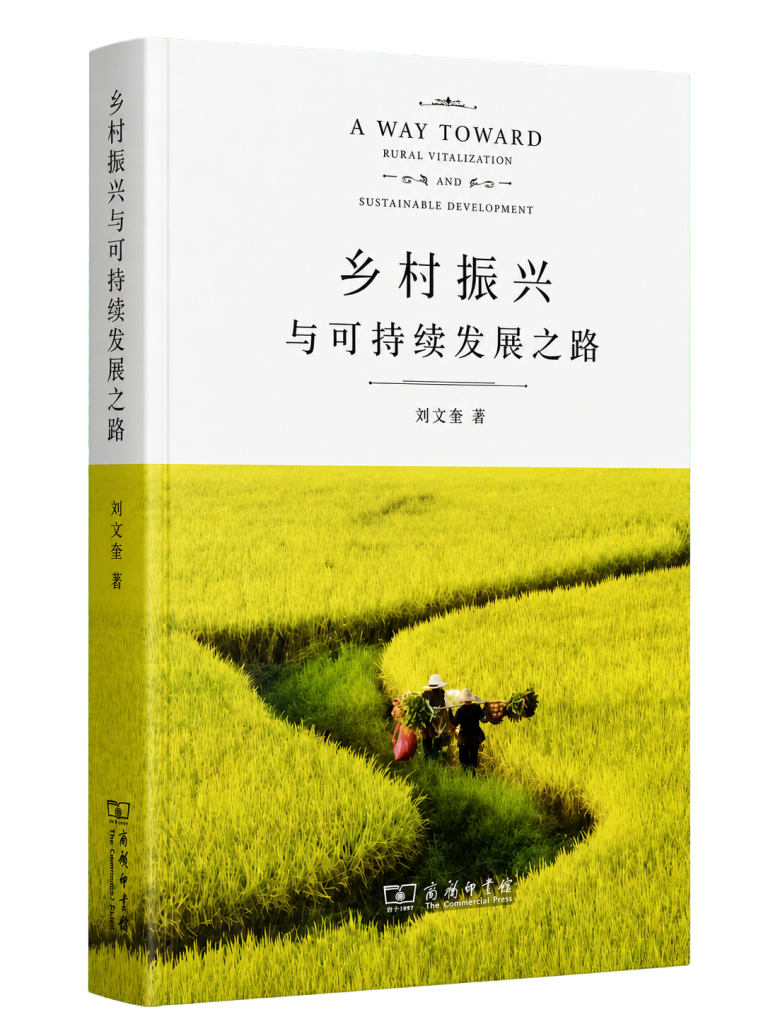
A Way Toward Rural Revitalization and Sustainable Development Path offers a firsthand, deeply practical account of poverty alleviation and sustainable rural development in China. The author, Wenkui Liu, has spent twenty years working with the China Foundation for Poverty Alleviation (CFPA), rooted in some of the country’s most impoverished villages. Through trial and error, he and his colleagues forged a market-oriented development model based on villagers’ cooperatives. The book is written in a fluent, engaging style, blending personal narrative with critical analysis, and provides clear answers to the most pressing problems facing rural areas today.
The book is structured around three major case studies. The first, from Daliangshan in Sichuan, reveals that simply pooling financial and material resources is insufficient to break the cycle of poverty. While such efforts brought visible changes, they failed to achieve sustainable development. The lesson: rural areas must develop industrial projects that participate in market competition, which requires transforming traditional smallholder production methods. The second case, from Minle Village in Gansu, builds on this insight. The CFPA introduced a cooperative-based, industry-oriented model, recognizing the value of modern enterprise systems and villagers’ cooperation. Although the industrial project ultimately failed, the experience highlighted the crucial role of village leaders in changing mindsets. The third case, from Ganda Village in Qinghai, demonstrates success: mobilizing capable local leaders to run market-oriented, cooperative-based industrial projects. Ganda transformed from a village too poor to afford yogurt into a prosperous community.
Since 2013, the CFPA has applied these lessons more widely. Two flagship initiatives emerged: the Baimei Village Homestay Project, which turns villagers’ old houses into rural boutique homestays for urban visitors, and the Shanpin Commune Project, which connects high-quality agricultural products directly with end consumers via e commerce platforms. The homestay project now operates in twenty villages, and the Shanpin Commune will reach one hundred villages by the end of the year. A Way Toward Rural Revitalization and Sustainable Development Path is an invaluable resource for practitioners and researchers alike, offering not only analysis but proven solutions for sustainable rural development.
Ritual, Music and Cultural Traditions in China
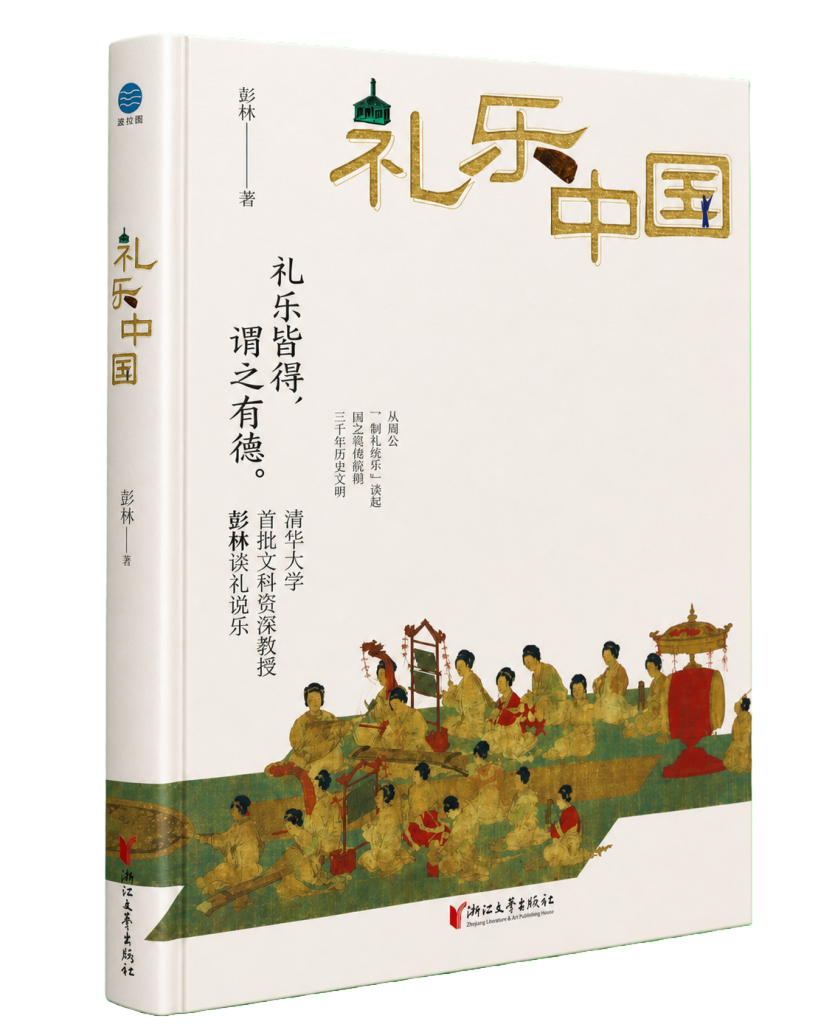
At the heart of this book lies a fundamental question: can Chinese civilization offer a distinct model of cultural development for the modern world? Professor Peng Lin, a distinguished historian from Tsinghua University, believes that the answer lies in understanding China’s ancient yet enduring “Li-Yue” (Ritual and Music) civilization. This work distills his decades of research, exploring the profound cultural implications and surprising practical relevance of “Li” (rituals) — the very core of Chinese civilization. Far from being merely rigid formalities or feudal remnants, rituals, as the book reveals, are the living framework that has shaped Chinese ethics, social order, and collective ethos for millennia.
Professor Peng masterfully connects ancient theories with contemporary concerns through clear language and vivid examples. He argues that true cultural confidence in the 21st century comes from a deep-rooted understanding of one’s own traditions. The book elaborates on concepts like the transformative power of music (Yue) in moral cultivation and the importance of ritual in fostering social harmony. More than a historical study, this volume serves as a vital key for anyone wishing to understand not just the “how,” but the “why” behind China’s unique cultural DNA. It is an essential read for scholars of Sinology, students of comparative philosophy, and all who seek to grasp the foundational values driving one of the world’s oldest continuous civilizations.
An Outline of Chinese History
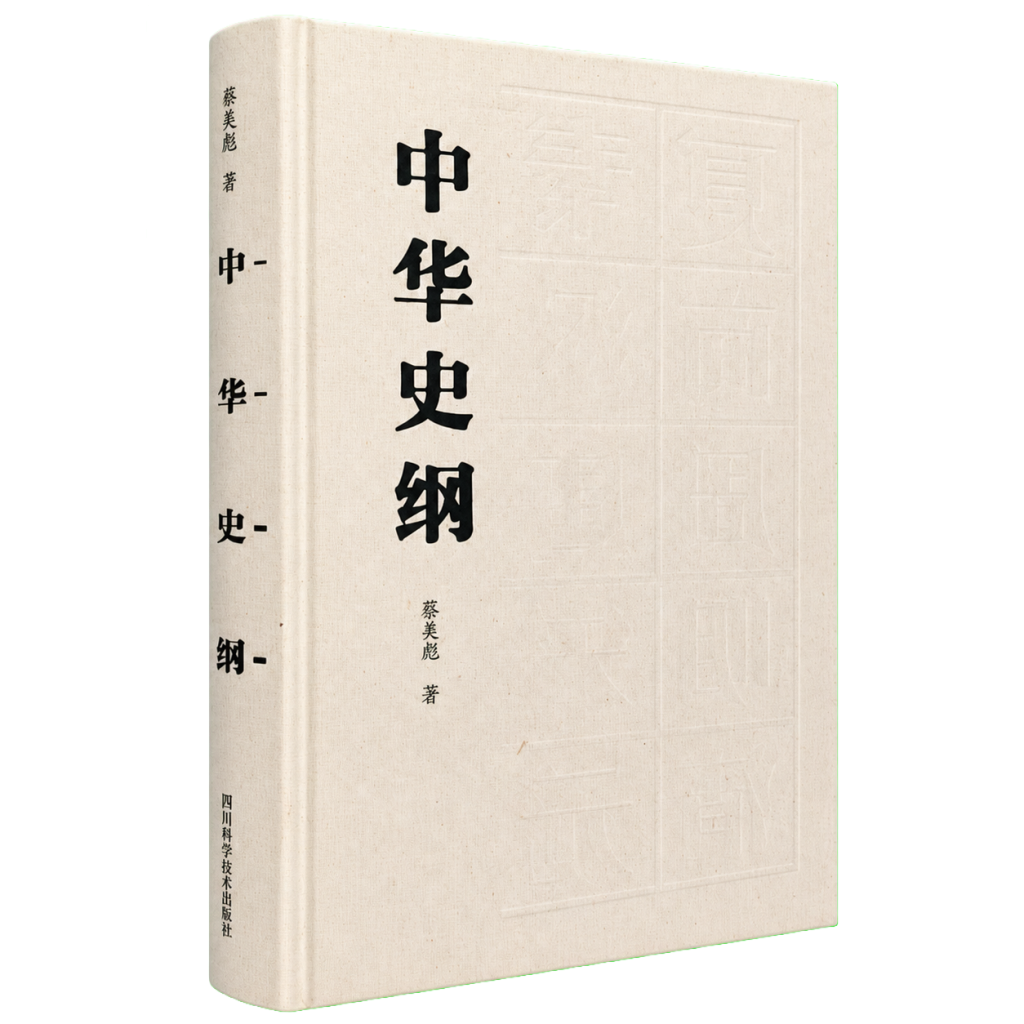
An Outline of Chinese History is a masterful condensation of the monumental twelve-volume General History of China, originally published by People’s Publishing House. The author, Cai Meibiao — honorary member of the Chinese Academy of Social Sciences and researcher at the Institute of Modern History — took on the task of creating this simplified edition at the request of central leaders who believed that the comprehensive multivolume work should be made accessible to the general public. The original General History of China is widely regarded as the most complete and systematic history of China produced in the past century. Its first four volumes were written by the renowned historian Fan Wenlan, and after Fan’s passing, Cai Meibiao presided over the completion of the remaining volumes. In this condensed version, Cai uses just 300,000 Chinese characters to outline the historical arc from primitive society to the fall of the Qing Dynasty. The result is a work that is detailed where it matters, concise in language, and truly reflective of a master historian’s craft — a rare, high level historical work intended for non specialist readers.
The book follows a strict general history format, covering every major dynasty — from the Qin, Han, Tang, Song, Yuan, Ming, and Qing, to the Wei, Jin, Southern and Northern Dynasties, and the Five Dynasties and Ten Kingdoms. Despite its brevity, it encapsulates five thousand years of Chinese history. Readers will learn, for example, when China implemented the provincial system and under what historical conditions Xinjiang and Taiwan were established as provinces. The book’s thematic focus is equally clear: it traces China’s transition from slavery to feudalism, the origins of imperial rule, the rise and fall of dynasties, and the lessons of state governance. Key concepts — such as the power usurpation by royal relatives, eunuchs misleading the state, “holding the emperor to command the princes,” the nine rank system, the clan system, and the imperial examination system — are all explained in detail. The book also highlights glorious eras: the Zhenguan reign of the Tang Dynasty, the technological inventions of the Song, Zheng He’s seven voyages to the West during the Ming Yongle period, and the Kangxi Qianlong prosperity of the Qing. At the same time, it does not shy away from describing periods of chaos, peasant uprisings, and the late Qing’s failure to respond to Western capitalist powers, which led to China becoming a semi colonial, semi feudal society.
A particular strength of this book is its attention to the formation of China as a multi ethnic unified country with the Han nationality as the main body. Cai Meibiao provides insightful analysis — for example, how the northern regimes during the Wei and Jin dynasties, though established by various ethnic groups, adopted the ancient Han state names to claim the cultural heritage of the Central Plains, thereby facilitating ethnic integration. By reading this book, audiences gain a clear understanding of how China’s multi ethnic unity evolved, including the roots of later ethnic autonomy policies. Furthermore, the book guides readers to appreciate the deep historical accumulation behind today’s China, fostering a sense of awe for history and respect for the ancestors who propelled progress. It is not only a historical overview but also an education in patriotism and a resource for those thinking about China’s development path, harmonious society, and socialist core values.
Chinese Buddhism and Traditional Culture
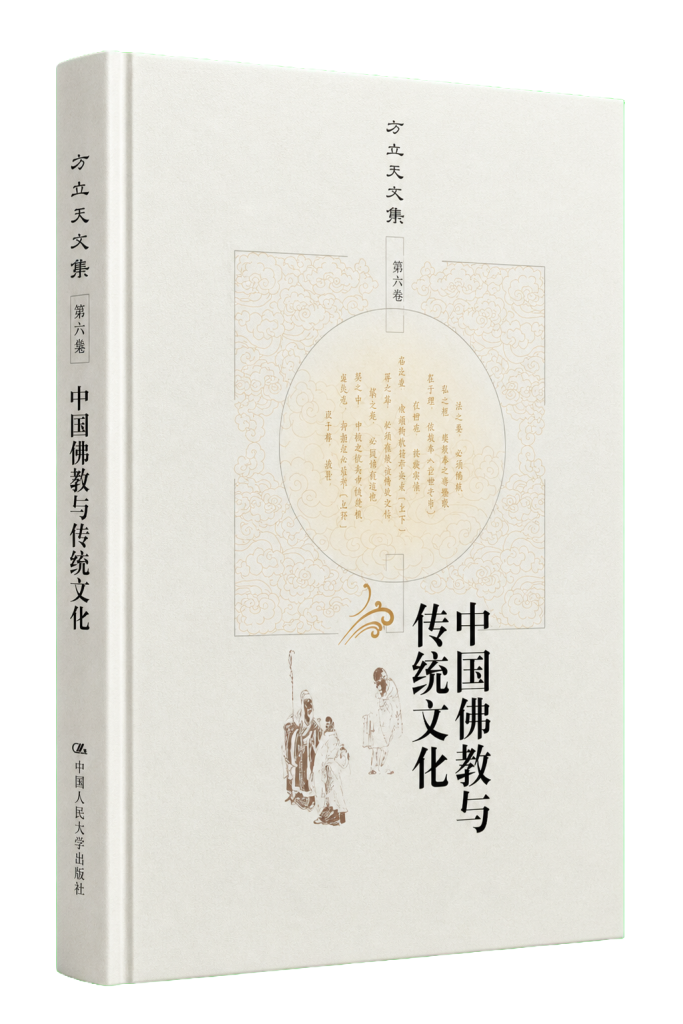
Since the first century CE, when Buddhism entered China from India, this foreign religion has both influenced and been influenced by traditional Chinese culture, eventually becoming an integral part of it. This profound historical process is not only a major theme for China but for all of East Asia. In Chinese Buddhism and Traditional Culture, Professor Litian Fang offers a systematic exploration of Buddhism as a cultural entity, examining its classics, doctrines, monastic system, and rituals. By tracing the religion’s development chronologically — from its introduction during the Han Dynasties (202 BCE–220 CE), through its flourishing in the Sixteen Kingdoms (c. 304–439 CE), to its gradual decline since the Five Dynasties (907–c. 960 CE) — the book provides a clear and comprehensive overview of Buddhism’s long journey on Chinese soil.
A key contribution of this work is its detailed analysis of how Buddhism became sinicized. The author highlights the crucial roles played by Buddhist schools of the Southern and Northern Dynasties (420–589 CE) and the Buddhist sects of the Sui and Tang Dynasties (581–907 CE) in this transformative process. Moreover, the book addresses the fascinating question of similarities and differences between Chinese Buddhism and its Indian counterpart. By comparing the two, Professor Fang illuminates the specific characteristics of Chinese Buddhist thought and culture — how indigenous Confucian and Daoist ideas reshaped Buddhist doctrines, and how, in turn, Buddhism enriched China’s philosophical and cultural landscape. The final chapter extends the discussion beyond China, examining the external influence of Chinese Buddhism across East Asia, including in Korea, Japan, and Vietnam.
This volume is an essential resource for scholars and students of Buddhism and Chinese cultural studies, particularly those in Buddhist countries. It will also appeal to any reader interested in religion, Chinese culture, and ancient Chinese history. Written with academic rigor yet accessible in style, Chinese Buddhism and Traditional Culture offers both a gateway for newcomers and deep insights for specialists, demonstrating how a foreign faith became a pillar of one of the world’s oldest continuous civilizations.
The Core Values of Chinese Civilization
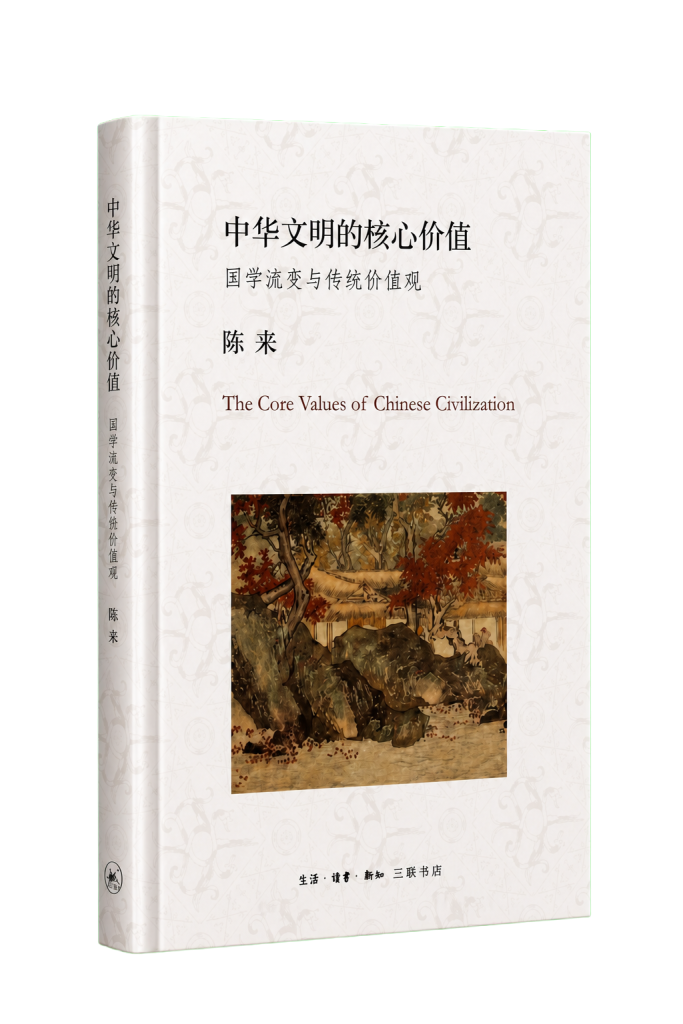
Drawing on the core values of Western civilization as a comparative lens, this book identifies and refines the corresponding core principles within Chinese civilization. The author distills them into four fundamental tenets: duty before freedom, obedience before rights, community before the individual, and harmony before conflict. Rooted in a deep engagement with guoxue — traditional Chinese Sinology — the work provides a detailed explanation of China’s classical value system, offering readers a structured understanding of how these principles have shaped Chinese thought and society across centuries.
While modern scholars have extensively discussed the concept of guoxue, their efforts have largely focused on compiling and cataloging an extremely rich and diverse body of information. Missing, however, has been a systematic theoretical analysis of the concepts and theories underlying guoxue. This book fills that gap by developing a rigorous theoretical framework in three important respects. First, it analyzes the mindset of guoxue, examining the dominant ideas and values of the historical period in which the term emerged. Particular attention is paid to the connection between guoxue and early social and cultural transformations, distinguishing three key phases of its development. Unlike past scholars who primarily defined guoxue by its range of studied objects, this book emphasizes guoxue as a modern body of research with its own evolving logic.
Second, the book assesses several phases in the modern evolution of guoxue research, tracing its journey from the beginning to the end of the twentieth century — culminating in the later phase of the National Heritage movement. Third, it explores the various main modes of modern guoxue, demonstrating how these modes correspond step by step with the evolutionary phases of guoxue research. By providing both historical depth and theoretical clarity, The Core Values of Chinese Civilization offers an essential resource for anyone seeking to understand the philosophical and cultural foundations of contemporary Chinese civilization.